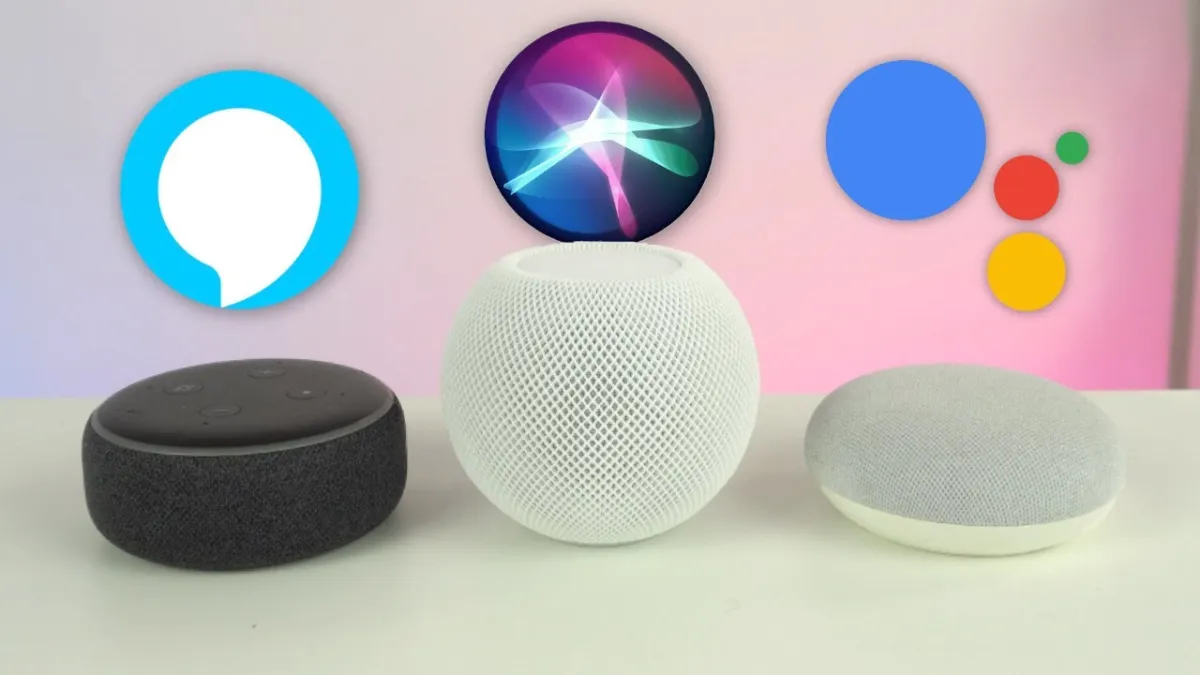
Voice Assistant Comparison: Alexa vs Google vs Siri
The Big Three
Amazon Alexa, Google Assistant, and Apple Siri dominate the voice assistant market. Each excels in different areas, and the best choice depends on your existing ecosystem and priorities.
Amazon Alexa
Best For: Device Compatibility
Alexa supports more smart home devices than any other assistant. If a device says "works with smart assistants," it almost certainly means Alexa.
Strengths:
- Widest device compatibility
- Excellent routine/automation capabilities
- Skills expand features endlessly
- Great multi-room audio
- Affordable Echo devices
Weaknesses:
- Privacy concerns with always-listening
- Contextual understanding not as good as Google
- Skill quality varies wildly
Google Assistant
Best For: Natural Language & Information
Google's AI expertise shows in Assistant's understanding of natural language and ability to answer questions accurately.
Strengths:
- Best natural language understanding
- Excellent at answering questions
- Great integration with Google services
- Continued conversations feel natural
- Strong Nest/Google Home integration
Weaknesses:
- Fewer compatible devices than Alexa
- Routine capabilities less flexible
- Privacy concerns similar to Alexa
Apple Siri (HomeKit)
Best For: Privacy & Apple Users
If you're in the Apple ecosystem and value privacy, Siri with HomeKit is the clear choice.
Strengths:
- Best privacy protection (on-device processing)
- Seamless iPhone/iPad/Mac/Watch integration
- HomeKit is very reliable and secure
- No subscription fees for secure video
- Thread border router in HomePod
Weaknesses:
- Fewer compatible devices (though Matter helps)
- Less capable for general knowledge queries
- HomePod speakers are expensive
- Limited third-party skill support
Our Recommendations
- All-in on Apple? Choose Siri/HomeKit for the privacy and integration
- Maximum compatibility? Go with Alexa
- Best voice understanding? Google Assistant wins
- Mixed household? Matter devices work with all three, so pick your favorite