Security cameras range from $25 indoor cams to $400+ floodlight cameras, and the good news is even budget options are solid these days. The bad news: most of them want your money every month.
Resolution: 1080p is fine for most people. Camera companies push 2K and 4K hard, but 1080p gives you enough detail to identify a person or read a license plate at reasonable distances. Higher resolution eats more storage and bandwidth. 2K is nice if the price difference is small, but 4K is overkill for most homes.
The subscription problem. Ring, Nest, Arlo, Wyze -- they all push plans:
- Ring -- $4/mo per camera or $10/mo for all devices. Needed for video history.
- Nest -- Free gives 3 hours of history. Nest Aware is $8-15/mo for 30-60 days.
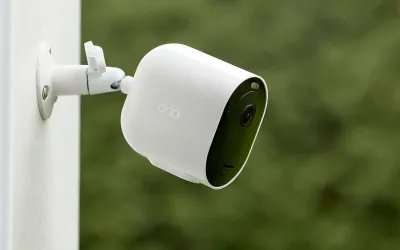
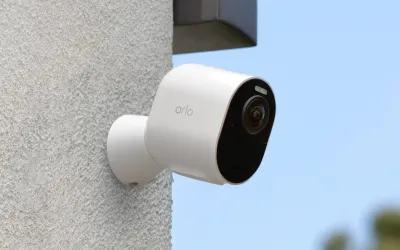
- Arlo -- Very limited without a plan. $8/mo per camera or $18/mo unlimited.
- Wyze -- $2/mo per camera. Without it, 12-second clips with 5-minute cooldowns.
Subscription-free alternatives:
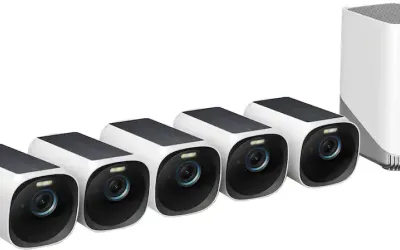
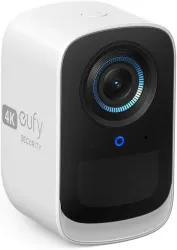
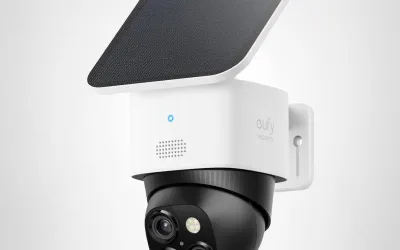
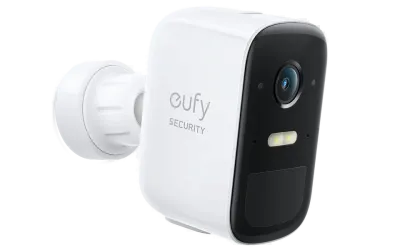
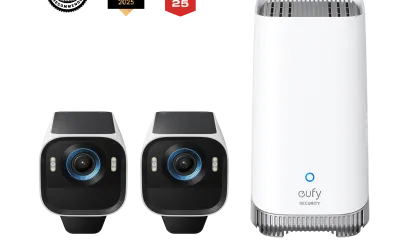
- Eufy -- Records locally to a HomeBase or onboard storage. Person/pet/vehicle detection on-device.
- Reolink -- MicroSD or NVR recording. Their PoE cameras are especially solid.
- HomeKit Secure Video -- If you pay for iCloud+ ($3/mo for 200GB), you get encrypted cloud recording for up to 5 cameras included. Analysis happens on your Apple TV or HomePod, not in the cloud. One of the best deals in home security if you're already paying for iCloud.
Wired vs. battery: Wired cameras record 24/7 and never need charging. Battery cameras are easier to place but only record when triggered, and need recharging every few months. If you can run a cable, wired is better. PoE (Power over Ethernet) is the gold standard -- one cable for power and data, works even when WiFi drops.
Person detection is a must. Without it, you get alerts for every passing car, moving branch, and shifting shadow. AI-based detection filters the noise dramatically. Most brands include basic person detection free or in their cheapest tier.
55 Category Products
View All 55 Products →

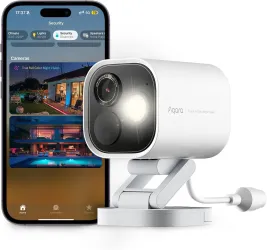

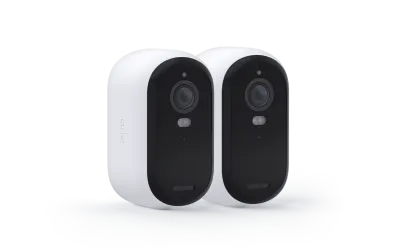
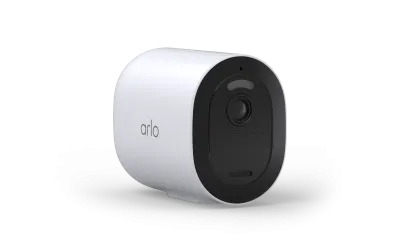






Showing 24 of 55 products