Smart refrigerators add door-open alerts, temperature monitoring and internal cameras, with reliability mattering far more than any connected feature.
Two features justify themselves. A door-ajar alert prevents a night of spoiled food, and temperature logging gives early warning of a failing compressor while there is still time to act. Both are genuinely useful and both are cheap to implement.
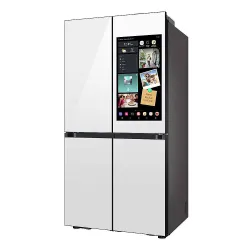
Internal cameras and touchscreens are harder to justify. They add cost and failure points to an appliance expected to last more than a decade, and the screen will outlive its software support long before the fridge stops cooling. If the connected features matter more than the cabinet, a separate temperature sensor in a conventional fridge achieves most of the benefit for a fraction of the price.