Smart plugs are the gateway drug of home automation. They're cheap, easy to set up, and they make you realize how much of your home can be automated without replacing anything. But the differences between a good smart plug and an annoying one come down to a few things that aren't obvious from the product listing.
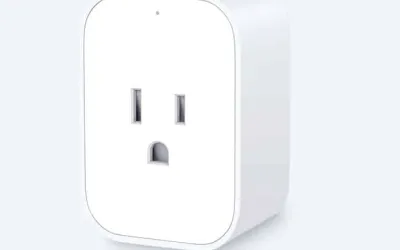
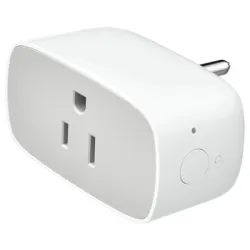
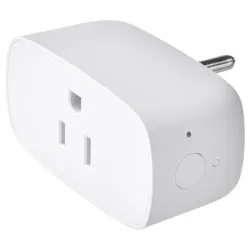
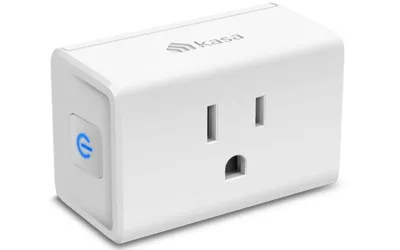
Size is the first thing to check. A lot of smart plugs are chunky enough to block the second outlet on a standard receptacle. If you want two smart plugs on one outlet, or need the other outlet for something else, look for compact designs. Some extend straight out, others angle downward - pay attention to form factor.
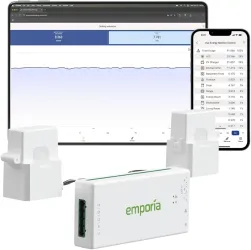
Energy monitoring separates the good from the basic. For a couple extra dollars, you get real-time wattage, daily usage tracking, and sometimes voltage readings. Find out your TV pulls 15 watts on standby, or use a plug on your washing machine to get an alert when the cycle finishes. It's the feature you didn't know you wanted until you have it.
A physical button on the plug matters. When WiFi goes down, you still need to toggle devices. Every smart plug should have a manual button, but some bury it or make it hard to press. A good tactile button makes a real difference day to day.
Protocol choice comes down to your setup:
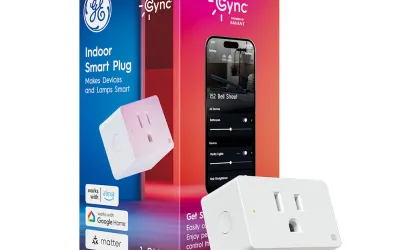
- WiFi with Matter - Best option for most people. No hub needed, works across all major platforms.
- WiFi without Matter - Fine, but you're locked into the manufacturer's ecosystem and their cloud servers.
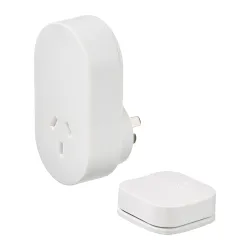
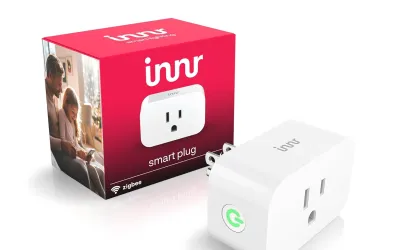
- Zigbee/Z-Wave - Needs a hub but more reliable in homes with lots of devices. Great for Home Assistant users.
- Thread - Newest option, works with Matter, mesh networking. Limited selection but growing.
Not every device benefits from a smart plug. They work great with simple on/off things - lamps, fans, coffee makers, holiday lights. They don't work with devices that need a button press after getting power, like most modern TVs or computers. If it doesn't turn on when you plug it in, a smart plug won't help.
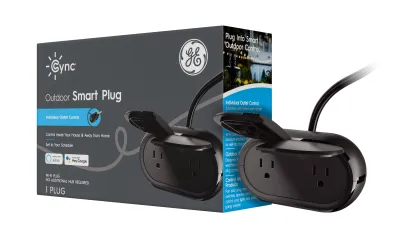
On safety: stick with plugs that have UL or ETL certification. These carry real current, and no-name plugs without proper certifications aren't worth the savings. And check amp ratings - space heaters need a 15A plug, not a 10A one.
60 Category Products
View All 60 Products →




Showing 24 of 60 products