Smart Thermostat Showdown: Ecobee vs Nest vs Honeywell
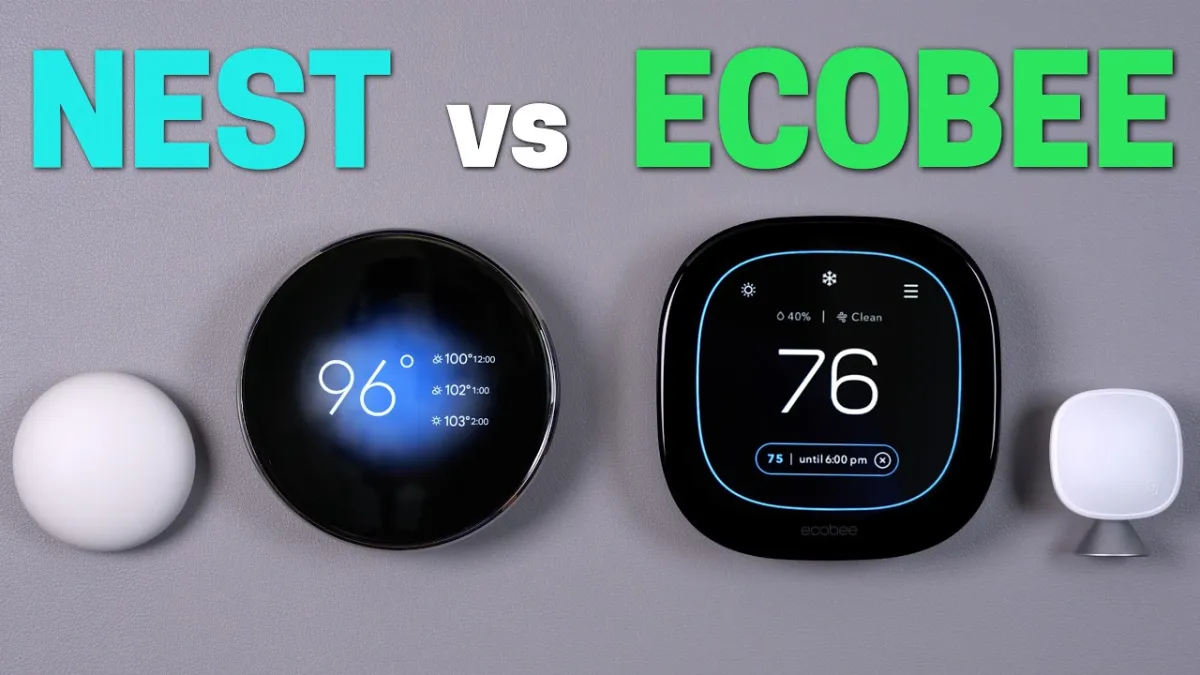
I've had all three of these thermostats installed in my house at various points over the past two years. Not simultaneously (I only have one HVAC system), but long enough with each to get past the honeymoon phase and into the "does this actually save me money" phase. Here's what I found.
The Ecobee Smart Thermostat Premium
The Ecobee was my first smart thermostat, and it set a high bar. Installation took about 25 minutes; the app walks you through wire-by-wire with photos, and it correctly identified my heat pump system with aux heat on the first try. The built-in air quality sensor was a nice surprise, though it mostly just confirmed what I already suspected: my indoor air quality tanks when I forget to change the HVAC filter.
The killer feature is the included SmartSensor. You place it in a different room, and the Ecobee averages the temperatures between rooms instead of just reading whatever temperature happens to be at the thermostat on the wall. My thermostat is in a hallway that stays cool, so without the sensor, the rest of the house would overheat while the Ecobee tried to bring the hallway up to temperature. With the sensor in the living room, the system balanced much better. You can buy additional sensors ($40 for a two-pack) for even more rooms.
The built-in Alexa is genuinely useful. It's not Echo-quality audio, but it's good enough for kitchen timers, quick questions, and controlling other smart home devices. I didn't expect to use it much, but having a voice assistant right on the wall in the hallway turned out to be convenient.
Energy savings: Over three months, my heating bill dropped about 12% compared to the same period the previous year with a programmable thermostat. The occupancy detection (it uses the built-in sensor to detect when nobody's home) accounted for most of those savings.
The downside: At $250, it's the most expensive option. The glass touchscreen is beautiful but shows fingerprints like crazy. And if you're a Google Home household, the Alexa integration is a bit awkward since you'll have two competing assistants.
Google Nest Learning Thermostat (4th Gen)
The 4th-gen Nest is a complete redesign from the iconic hockey-puck shape. It's now a larger, borderless display that looks more like a piece of wall art than a thermostat. It's gorgeous, and I say that as someone who doesn't usually care about how thermostats look.
Installation was straightforward but slightly more finicky than the Ecobee. The Nest app detected my wiring correctly, but the physical mounting felt more fragile. The base plate is thin, and I worried about cracking it while leveling the unit. Once it was up, though, it looked great.
The "learning" feature is what sets the Nest apart. For the first week or two, you manually set temperatures when you want changes. The Nest watches your patterns and builds a schedule automatically. After about 10 days, it had nailed my weekday routine: cooler overnight, warm by 6:30 AM, setback at 8 AM when I leave, pre-cool before I get home at 5:30 PM. The auto-schedule felt almost creepy in how accurately it predicted my preferences.
The new Nest also adds Matter support, which is significant. It means the thermostat works with Apple HomeKit through Matter, which the Nest has never supported before. I tested this and it works, though the HomeKit controls are basic (temperature up, temperature down, mode selection). You still need the Google Home app for the smart features.
Energy savings: Similar to the Ecobee, roughly 10-15% reduction. The Nest's "Home/Away Assist" uses your phone's location to switch modes, which works well if everyone in the household has the Nest app installed. If your partner refuses to install the app (ask me how I know), the savings from away detection drop significantly.
The downside: No HomeKit support beyond basic Matter controls. The Nest Temperature Sensor is sold separately ($40 each), while Ecobee includes one. And you need a Google account, which means your heating data lives on Google's servers.
Honeywell Home T9
The T9 is the unsexy choice. No learning algorithm, no built-in voice assistant, no borderless display. Just a reliable thermostat from the company that's been making thermostats since 1906.
Installation was the easiest of the three, which makes sense given Honeywell's experience with HVAC systems. The wiring compatibility is the broadest here, supporting some older systems that the Ecobee and Nest won't work with. If you have an unusual HVAC setup, the T9 is the safest bet.
It does include one Smart Room Sensor, and the sensor works well. The T9 can prioritize different rooms at different times, which is a clever feature. Bedroom priority at night, living room during the day. You set this up in the app with a simple schedule, and it just works.
The app is functional but dated-feeling compared to Ecobee and Nest. It gets the job done, but it won't win any design awards. 7-day scheduling is flexible and straightforward to set up, and you can do it from the thermostat itself without needing the app.
Energy savings: About 8-10% in my testing. Without learning capabilities, the savings depend entirely on how well you program the schedule. If you're disciplined about setting up a good schedule, the T9 will execute it reliably.
The downside: No HomeKit support at all. The app can be slow to connect. No learning means you have to program everything manually. It feels like a $170 thermostat, while the Ecobee and Nest feel like premium tech products.
So Which One Should You Buy?
After living with all three, here's my honest take:
The Ecobee Smart Thermostat Premium is the best all-around choice. It works with every major platform including HomeKit, the included SmartSensor solves a real problem, and the built-in Alexa is more useful than I expected. Yes, it's $250, but the energy savings pay that back within a year for most households.
The Nest Learning Thermostat is the best option if you're a Google household and want a thermostat you can set and forget. The learning algorithm genuinely works, and the new design is beautiful. The Matter support opens the door to HomeKit users, though the integration is still basic.
The Honeywell T9 makes sense if you're on a tighter budget, have an unusual HVAC system, or simply want a reliable thermostat without the bells and whistles. It won't wow anyone, but it won't frustrate you either. At $170, it's solid value.
One more thing: don't forget to check for utility rebates before you buy. Many power companies offer $50-100 rebates on smart thermostats. My local utility covered half the cost of the Ecobee, which made the price difference a non-issue.