A smart thermostat is one of the few smart home devices that actually saves you money. Heating and cooling is the biggest energy expense in most homes, and even modest optimization can knock 10-15% off that bill. But picking the right one isn't as simple as grabbing whatever's popular - compatibility with your HVAC system trips people up most.
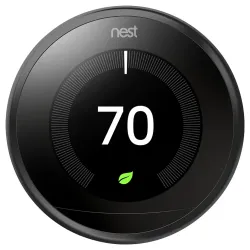
Check for a C-wire first. The C-wire (common wire) provides continuous power to your thermostat, and most smart models need one. Pull your current thermostat off the wall and look at the wires - if you see one on the "C" terminal, you're good. If not, some thermostats can "power steal" from other wires (the Nest does this), but it can cause issues. Others include a C-wire adapter kit. Running an actual C-wire is the most reliable fix but means fishing wire through walls.
HVAC compatibility is not optional homework. Heat pumps, multi-stage systems, and dual-fuel setups need specific wiring that not every thermostat supports. A basic single-stage forced air system works with everything, but a heat pump with auxiliary heat strips needs a thermostat that handles it correctly - otherwise backup heat runs when it shouldn't, and that gets expensive. Most manufacturers have online compatibility checkers. Use them.
Learning vs. programmable is less different than marketing suggests. Learning thermostats observe your adjustments and build a schedule automatically. Programmable ones let you set it yourself. Learning works well for consistent routines and frustrates people with unpredictable schedules. Either way, the savings come from setback - letting the house drift when you're away or asleep.
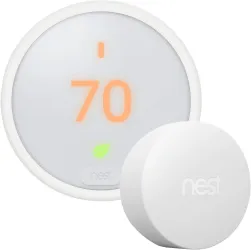
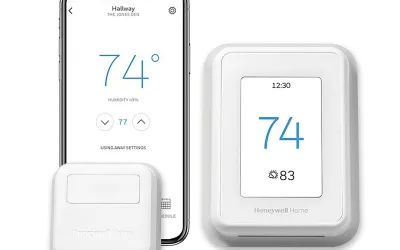
Room sensors are genuinely useful. The thermostat only reads temperature where it's mounted, usually a hallway. Room sensors let you measure where you actually spend time and prioritize comfort there. If your house has hot and cold spots, they make a real difference.
On actual savings: claims of 20-30% are optimistic. If you already adjust a manual thermostat diligently, expect 5-8%. If you've been running the system 24/7 at one temperature, you'll see bigger numbers. Most people recoup the cost within 1-2 seasons.
48 Category Products
View All 48 Products →





Showing 24 of 48 products