Smart climate control covers a lot of ground - thermostats, fans, humidifiers, air quality monitors - but if you want to make a real impact, start with your thermostat. It's the one device in this category that genuinely pays for itself. Everything else is about comfort and convenience, which is great, but set your expectations accordingly.
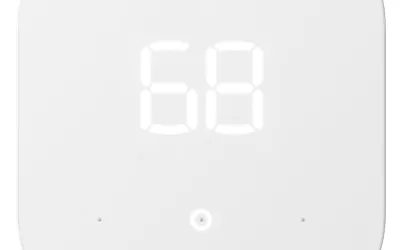
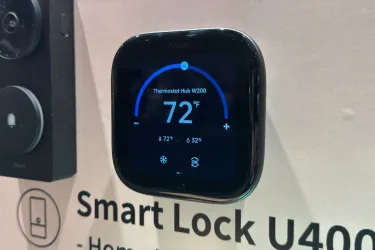
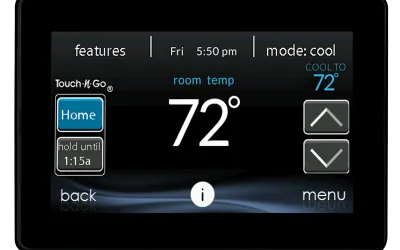
Thermostats are where the money is. Heating and cooling accounts for roughly half your energy bill. A smart thermostat that learns your schedule or responds to occupancy can trim 10-15% off that. If you haven't upgraded yet, that's the first thing to look at. We have a dedicated smart thermostat guide with more detail.
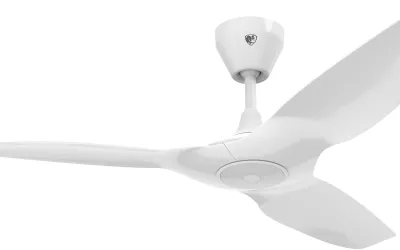
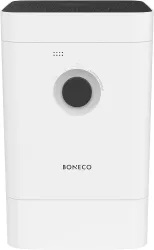
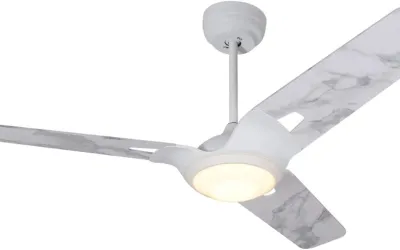
Smart fans and humidifiers are more about comfort automation. A smart fan that shuts off when you leave is nice but not life-changing. Smart humidifiers that maintain a target level are helpful in dry climates. The main benefit is scheduling - running a humidifier only at night, or fans kicking on when temperature rises above a threshold.
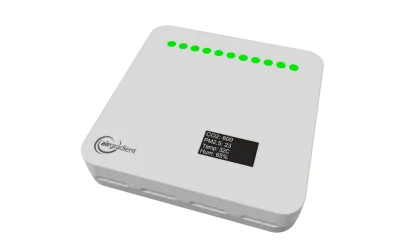
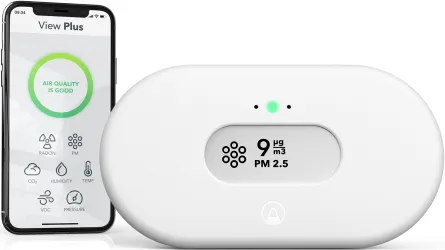
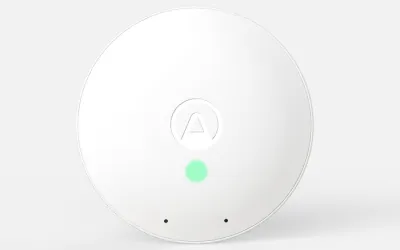
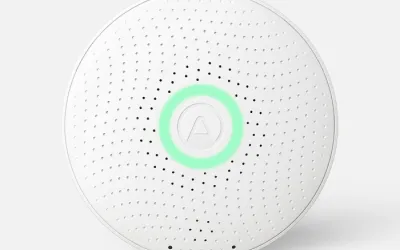
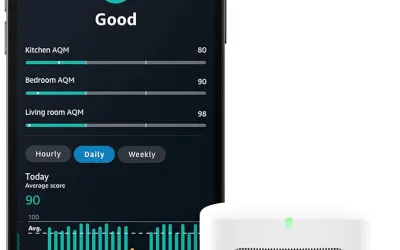
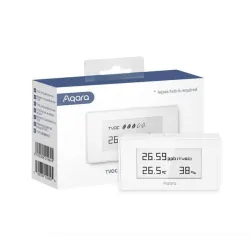
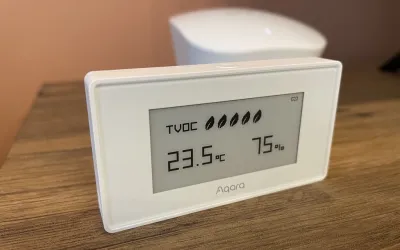
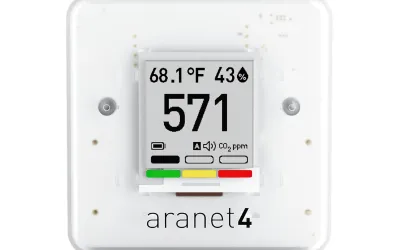
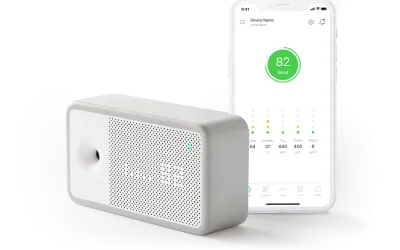
Air quality monitors pair well with climate devices. Knowing your indoor humidity, CO2, and VOC levels helps you decide when to ventilate or run a purifier. Some thermostats have basic sensing built in, but standalone monitors are more accurate.
Think about the ecosystem. Climate devices work best when they talk to each other. A thermostat that pauses AC when a window sensor says it's open, or a fan that responds to room temperature - that's where this category gets genuinely useful. Make sure your devices work together through HomeKit, SmartThings, Google Home, or Home Assistant.
A note on smart space heaters: most are really just regular heaters, and plugging a basic one into a smart plug with energy monitoring works just as well. You get scheduling, remote shutoff, and power tracking. Just make sure the smart plug is rated for the wattage - heaters pull 1,500W, so you need a 15A plug.
95 Category Products
View All 95 Products →



Showing 24 of 95 products