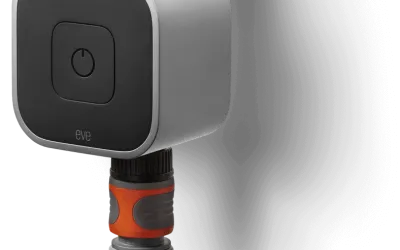
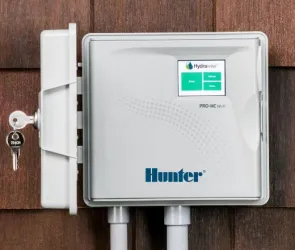
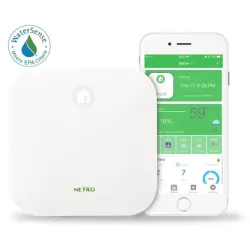
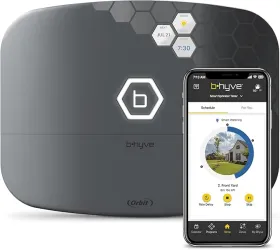
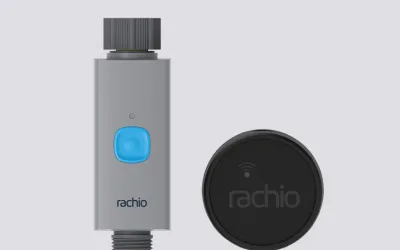
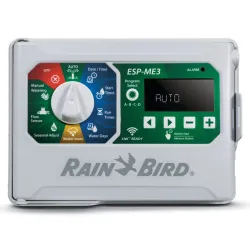
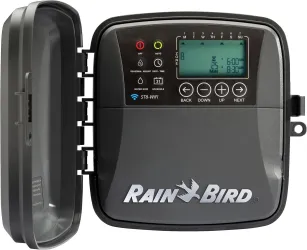
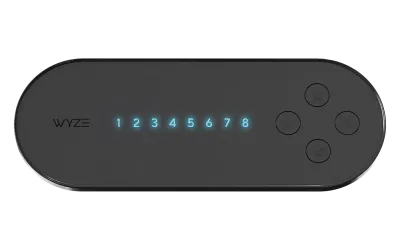
Smart irrigation controllers skip watering when rain is forecast and adjust run times to the season, typically cutting outdoor water use by a third or more.
Weather skipping is where the savings come from. A conventional timer waters on schedule regardless of conditions, including during rain. A smart controller pulls local forecast and rainfall data and suspends the cycle. In regions with summer storms this alone accounts for most of the reduction, and in areas with water restrictions it also keeps you compliant automatically.
Zones should reflect plants, not convenience. Lawn, borders and pots have very different needs, and the most common irrigation mistake is running them on one schedule. A controller with per-zone soil type, sun exposure and plant settings will water each appropriately; one that only offers a global schedule cannot.
Watch the deep-and-infrequent principle. Short daily cycles encourage shallow roots and a lawn that fails quickly in heat. Longer runs every few days drive roots deeper. Good controllers apply this automatically and use cycle-and-soak, splitting a long run into stages so water absorbs rather than running off.
Check flow monitoring if you are on a metered supply — a controller that detects a broken head or a stuck valve pays for itself the first time a zone runs unnoticed.