Sensors are the unsung heroes of a smart home. Lights and speakers get all the attention, but sensors are what make automations actually useful. A motion sensor that triggers your hallway lights at night, a water leak detector that texts you before your basement floods, a door sensor that arms your alarm when you leave - this is where smart homes stop being gimmicky and start being genuinely helpful.
The main types you'll run into:
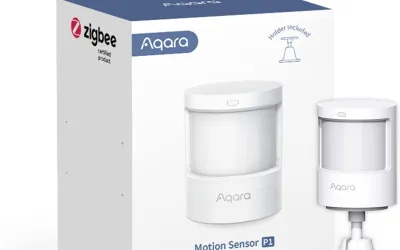
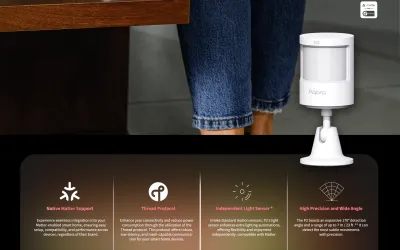
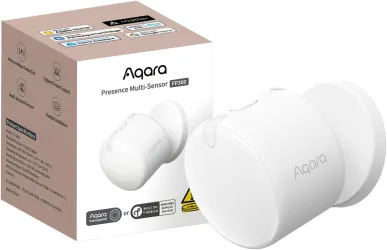
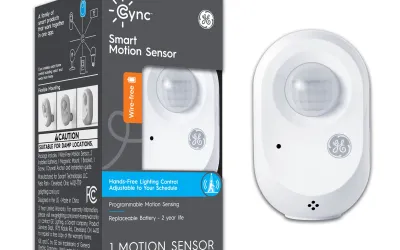
- Motion sensors - Turn lights on when you walk into a room, trigger security alerts, or start automations. PIR sensors are the most common and affordable. Look for adjustable sensitivity so pets don't set them off.
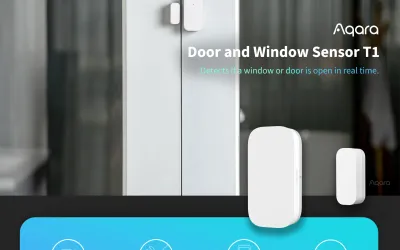
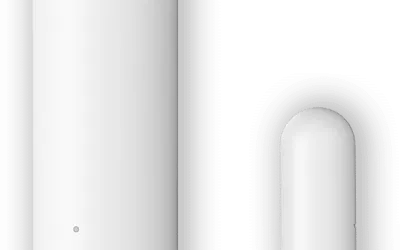
- Door/window sensors - Two-piece magnetic sensors that detect open and closed states. Dead simple and incredibly reliable. Put them on entry doors, medicine cabinets, garage doors, or anywhere you need to know if something opened.
- Water leak sensors - Put these under sinks, near water heaters, by washing machines, and in basements. A $20 sensor can save you thousands in water damage. Probably the highest-value sensor you can buy.
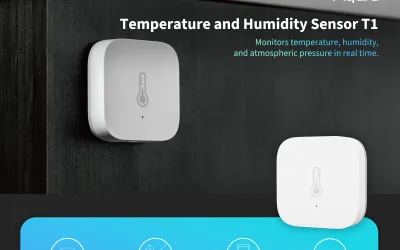
- Temperature and humidity sensors - Useful for monitoring rooms your thermostat can't see. Great for nurseries, server closets, wine storage, or greenhouses.
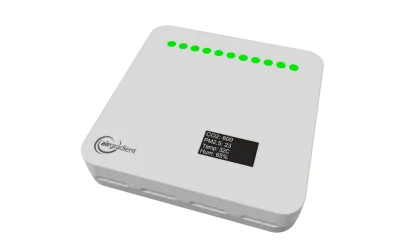
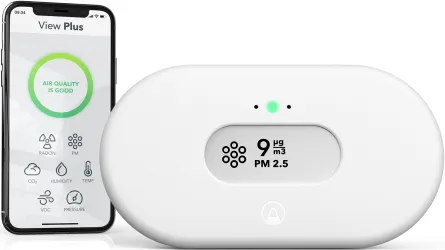
- Air quality sensors - Monitor PM2.5, VOCs, CO2, and humidity. Helpful if you have allergies or want to automate fans and purifiers based on actual conditions.
Why Zigbee sensors are the best value: Zigbee sensors from brands like Aqara and Sonoff are tiny, cheap (often $10-15 each), and run on coin cell batteries that last 1-2 years. They need a Zigbee hub, but once you have one, you can scatter sensors everywhere for less than a few Wi-Fi sensors would cost. Wi-Fi sensors work without a hub but cost more, drain batteries faster, and add congestion to your network.
Battery life is a big deal. A sensor that dies after three months is one you'll stop replacing. Zigbee and Z-Wave sensors typically last 1-2 years on a coin cell. Wi-Fi sensors burn through batteries much faster. Check reviews for real-world battery life - manufacturer claims are often optimistic.
Start with water leak sensors and door sensors - those two provide the most immediate, practical value. Then add motion sensors to your most-used rooms to start building automations.
88 Category Products
View All 88 Products →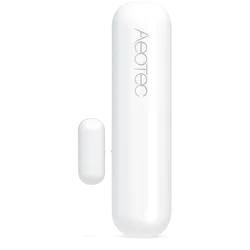





Showing 24 of 88 products